Neonatal Engineering · Stanford

Engineering a healthier start for every baby.

We develop technologies that make the physiology of newborns more visible — turning better measurement into better understanding, and better understanding into better care.

Wearable blood pressure sensor on a newborn's ankle
01Continuous blood pressure monitoring

Our mission

The smallest patients leave the least room for uncertainty.

Many of the physiologic changes that matter most in newborns are difficult to measure continuously. NEST brings neonatal medicine, engineering, and signal science together to make those signals visible.

Our research

Four technology platforms.
One translational mission.

We build around the clinical problem rather than a single sensor. Each platform moves from measurement to validation to clinical use.

Newborn wearing a blood pressure sensor
01

Blood Pressure Monitoring

The problem
Invasive blood pressure measurement is painful, time consuming
What we have built
FDA-cleared, continuous, non-invasive neonatal blood-pressure sensing.
Why it matters
Instant BP, no pokes, no wires
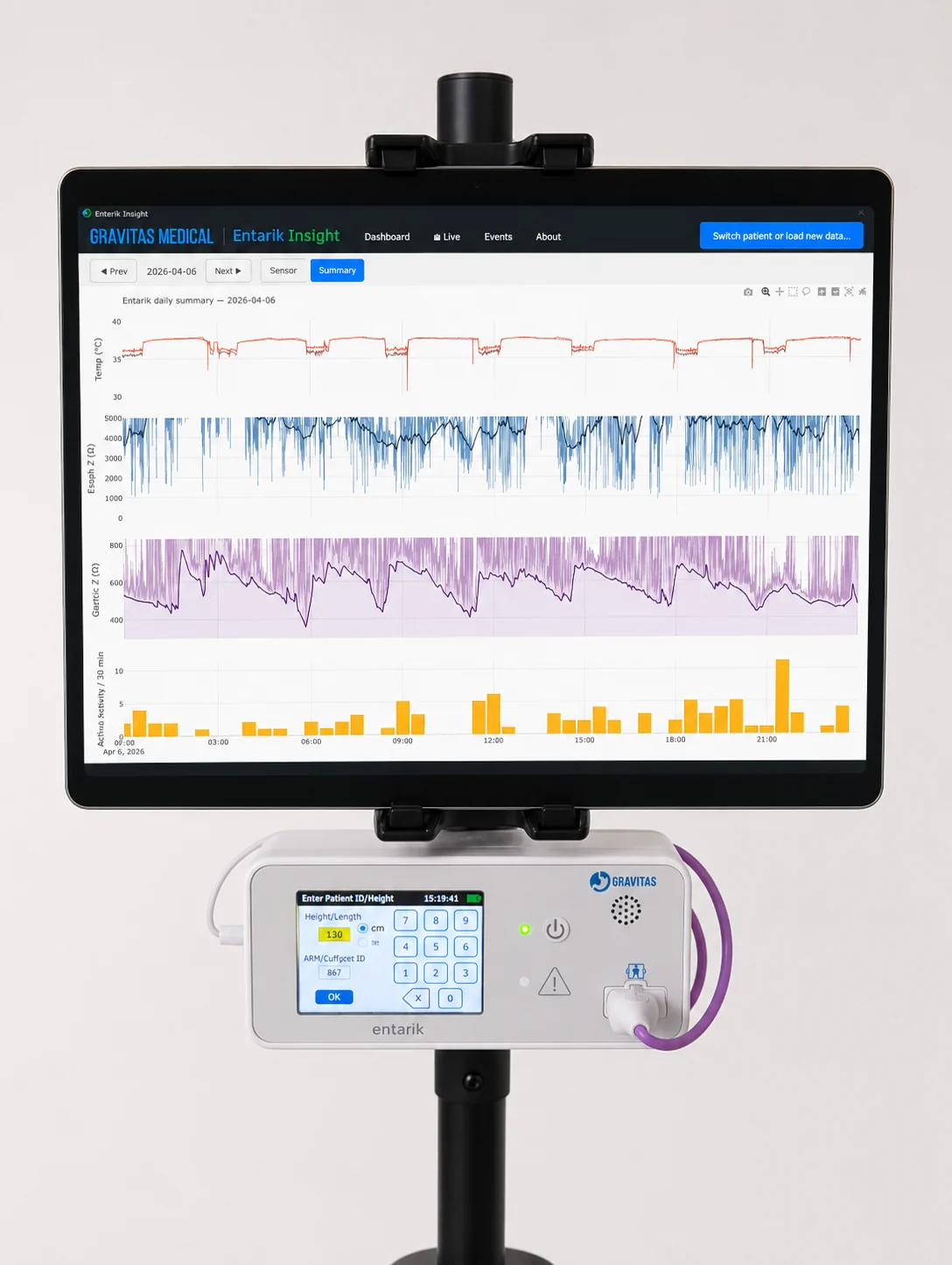
Smart enteral sensing monitor and dashboard
02

Smart Enteral Sensing

The problem
Tube placement, feeding, and gastric physiology are difficult to assess continuously.
What we are building
Sensor-enabled tools for placement and gastric physiology.
Why it matters
Safer placement and richer insight into feeding physiology.
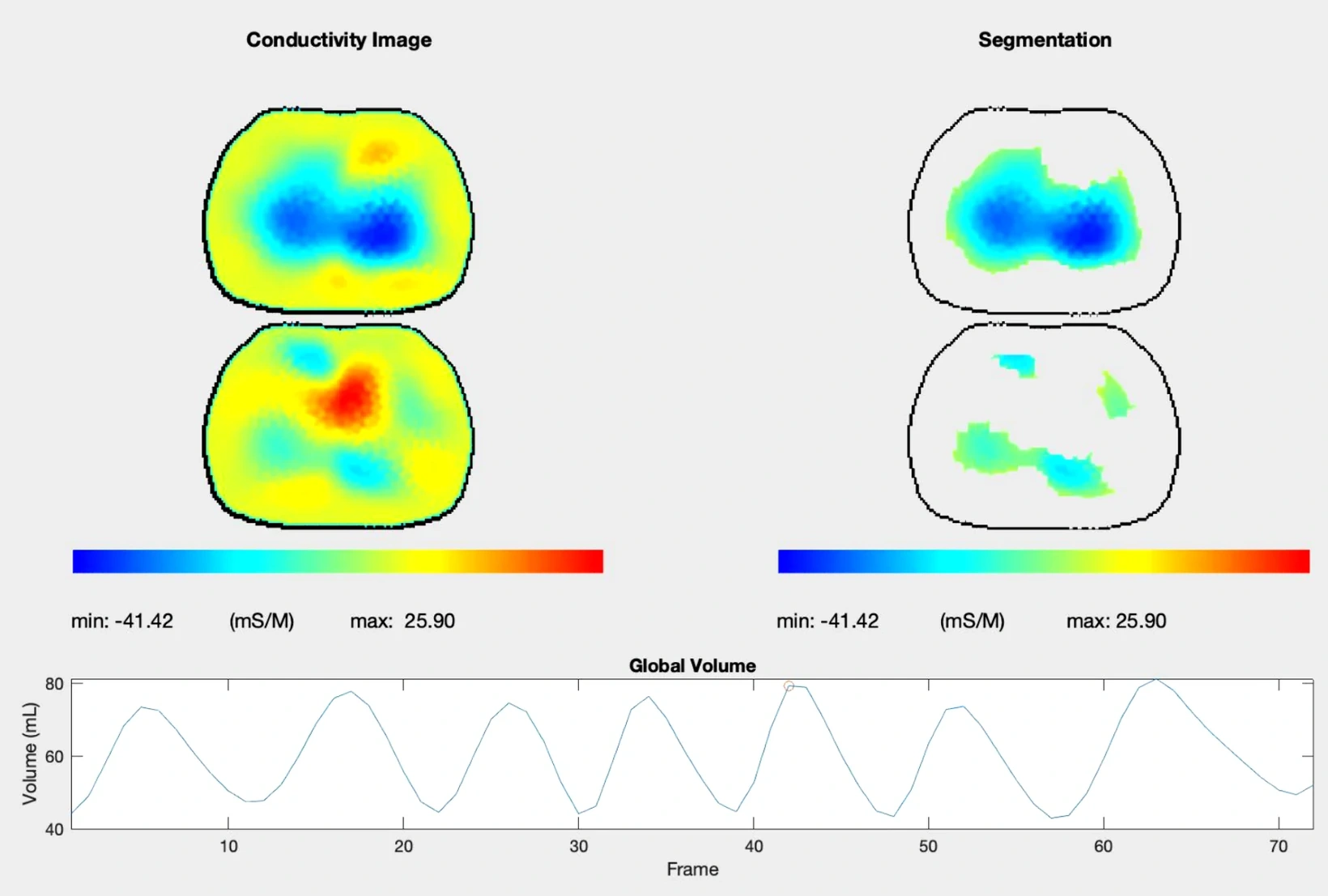
Electrical impedance tomography conductivity images and global volume waveform
03

Electrical Impedance Tomography

The problem
Regional lung behavior is difficult to see continuously at the bedside.
What we are building
Bedside, radiation-free imaging of regional ventilation.
Why it matters
More informed respiratory assessment and treatment decisions.
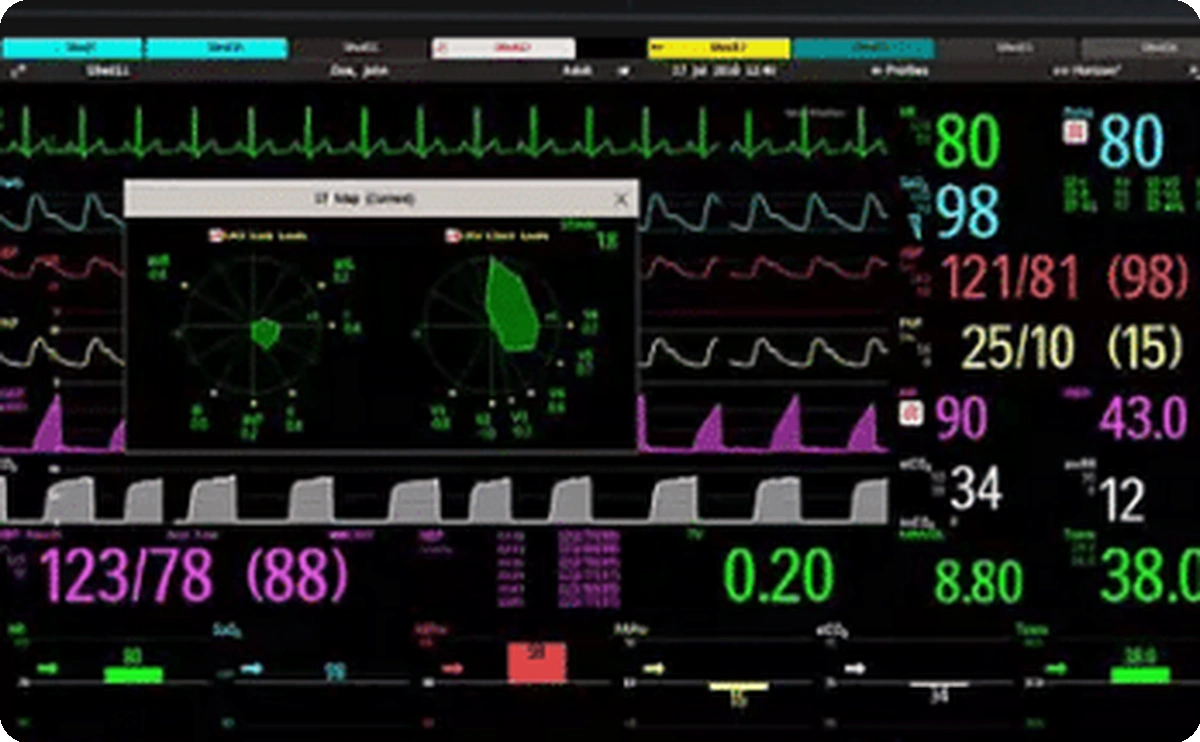
Integrated neonatal physiologic waveforms
04

Multimodal Monitoring

The problem
Critical physiologic signals often live in separate monitoring silos.
What we are building
Integrated acquisition and analysis across multiple physiologic systems.
Why it matters
Trajectories, coupling, instability, and recovery become easier to see.

Our approach

Measure.
Interpret.
Translate.

01

Measure

Develop unobtrusive methods to continuously capture neonatal physiology.

02

Interpret

Turn complex physiologic signals into meaningful trajectories and relationships.

03

Translate

Evaluate technologies at the bedside and move promising tools toward clinical use.

Newborn foot with a wearable physiologic sensor

Why it matters

Better information can change the first hours of a life.

Newborn care often requires clinicians and families to make consequential decisions with incomplete physiologic information. The focus of the NEST lab is to not to replace clinical judgment, but to make more of the infant's physiology visible when it matters.

Our people

Cross-disciplinary team.

Join NEST

Build what neonatal care needs next.

We welcome researchers who want to combine engineering, signal science, and neonatal medicine with a direct path from prototype to bedside validation.

View current opportunity

Contact

Ideas, collaborations, and questions.

NEST Lab

Neonatal Engineering Signals and Technology
Stanford University School of Medicine
Division of Neonatal & Developmental Medicine

anooprao@stanford.edu